
ALL LITING Plastic Surgery
Focused on eye and nose work including revision cases, with LED and hyperbaric oxygen sessions offered as post-operative care.
Rhinoplasty in Korea costs roughly 3 to 12 million KRW (about 2,200 to 9,000 USD), with revision cases running 6 to 15 million KRW. Apgujeong and Cheongdam hold the surgeons with the deepest revision experience, and total time in country for a primary case is typically 10 to 14 days including splint removal.
Focused on eye and nose work including revision cases, with LED and hyperbaric oxygen sessions offered as post-operative care.
Positions itself on facelift and regenerative cell work rather than a general surgical menu.

Small Cheongdam practice built around multi-knot buried suture eyelid technique and omega lifting.
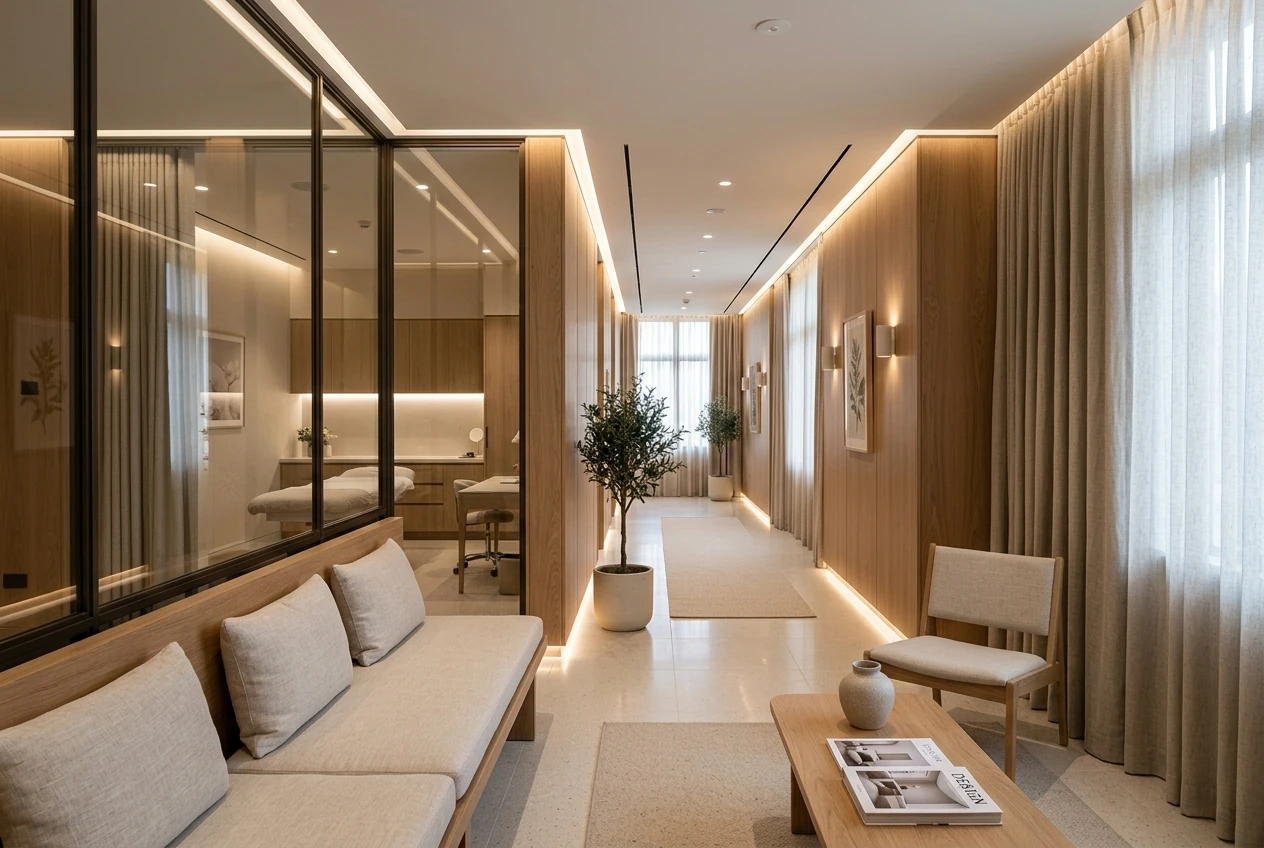
Eye, nose and lifting procedures from the third floor above Younggwang Books.

Runs eye, nose and lifting surgery across four levels of the Gukje Building.
Director Choi Dong-il states he personally handles every consultation and every operation, with 23 years of clinical practice.

Three floors focused on eye surgery, implant-free rhinoplasty and lifting.
Covers facial contouring, jaw and cheekbone reduction alongside eye and nose surgery.
Covers nose and eye surgery across three floors, with separate menus for implant-free rhinoplasty and functional nose work.

Eye and nose surgery with facial lifting, directly outside Apgujeong Rodeo Station Exit 3.
Covers nose, eye, contouring, breast and body from a single floor, with Friday consultations running to 21:00.
One of the broader Seomyeon practices, covering nose, eye, lifting and body contouring.
Rhinoplasty and nose revision are the core, with 3D CT diagnostic imaging used at consultation.
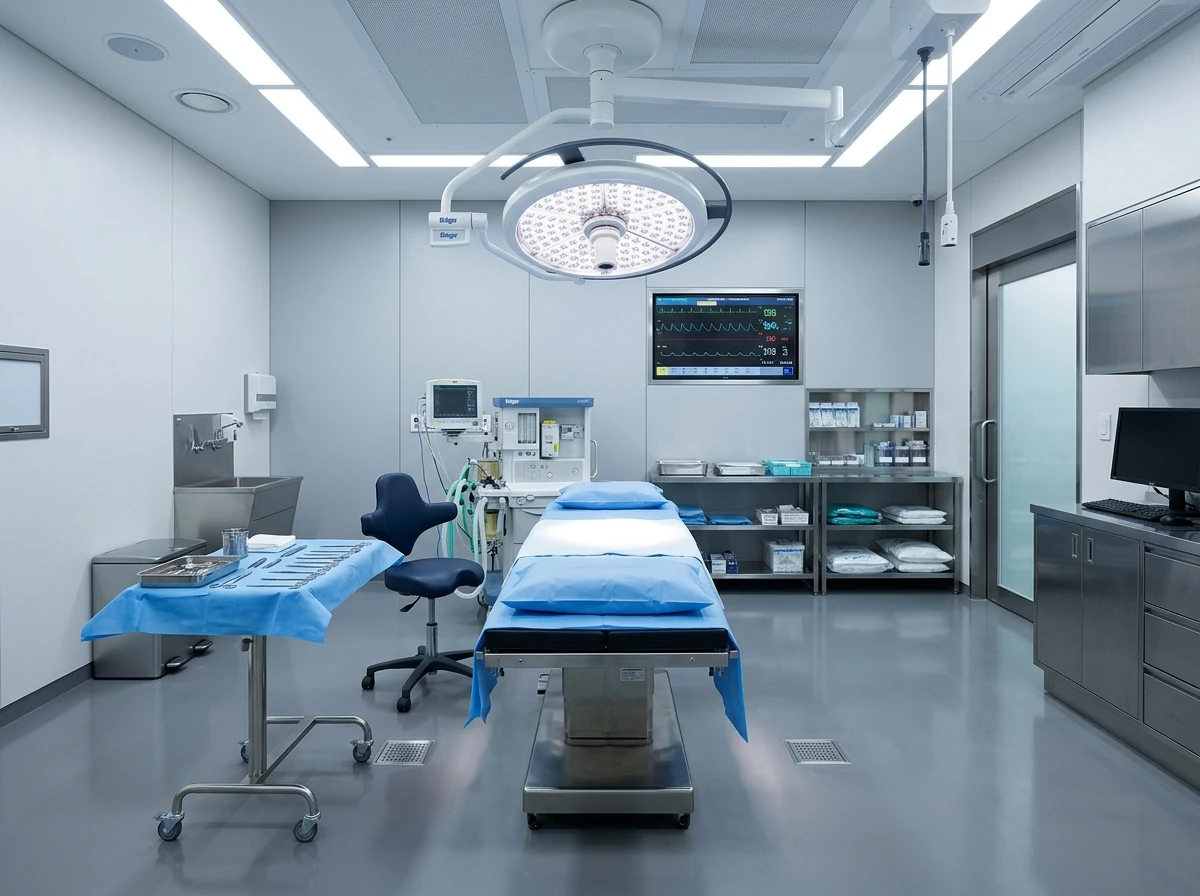
A single-suite practice covering eye, nose, breast and lifting without a large surgical floor.
Wide surgical menu covering eyelid, nose, contouring, lifting and body work.
Eye surgery and facial lifting across three floors, including mid-life eye procedures.
Surgical practice using 3D CT imaging for functional nose assessment.
Built around lower eyelid work: fat repositioning, dark circle correction and mid-life eye surgery.
The largest practice in this Busan set, spanning eight floors of the Ace Medical Tower.
Year-round opening with weekday hours to 21:00, which is the practical draw for patients who cannot take time off.
Rhinoplasty reshapes the bridge, tip, and nostrils of the nose, and in Korea it is most often performed with a combination of implant material for the bridge and the patient's own cartilage for the tip. Silicone and Gore-Tex are both common for dorsal augmentation, while septal, ear, or rib cartilage handles tip definition. The Korean approach favors a defined but proportionate tip over a dramatically raised bridge, which is a meaningful stylistic difference from some other markets.
Korean surgeons operate on Asian nasal anatomy at a volume no other market matches, which matters because thicker skin and weaker cartilage change what techniques work. The revision market is the clearest evidence of depth here: a subset of Seoul clinics take almost nothing but revision and rib cartilage cases, work that many surgeons elsewhere decline. Pricing also includes elements often billed separately abroad, such as anesthesia, facility use, and the first several follow-up visits.
The price spread on rhinoplasty is wider than any other procedure in this guide, and the driver is material and complexity rather than clinic branding alone. Autologous rib cartilage costs substantially more than a silicone implant because harvesting adds operating time and a second surgical site. Treat any quote under 3 million KRW for a full rhinoplasty with skepticism and ask exactly what material is being used.
| Procedure type | Typical range (KRW) | USD estimate |
|---|---|---|
| Tip plasty only | 2.0M - 4.0M | $1,500 - $3,000 |
| Bridge + tip (silicone or Gore-Tex) | 3.5M - 7.0M | $2,600 - $5,200 |
| Rhinoplasty with septal cartilage | 5.0M - 9.0M | $3,700 - $6,700 |
| Rhinoplasty with rib cartilage | 8.0M - 12.0M | $6,000 - $9,000 |
| Alar base reduction (add-on) | 1.0M - 2.0M | $750 - $1,500 |
| Revision rhinoplasty | 6.0M - 15.0M | $4,500 - $11,200 |
Prices are indicative ranges collected from public clinic pricing and consultation quotes. Updated February 2026. USD conversion at 1,340 KRW/USD.
Compare this against every other procedure on the cost comparison hub, or browse the full clinic directory.
Apgujeong and Cheongdam concentrate the surgeons with the longest track records and the heaviest revision caseloads. Gangnam Station holds high-volume clinics with competitive primary-case pricing. For revision or rib cartilage work, prioritize the specific surgeon's case volume over the clinic's marketing: ask how many revision cases they personally perform per month and request to see before-and-after photos of patients with skin thickness similar to yours.
Rhinoplasty demands the longest in-country stay of any common aesthetic procedure because the splint has to come off under the surgeon's supervision.
Plan 10 to 14 days in country. The non-negotiable milestone is splint removal between day five and seven, and most surgeons want one more check before you fly. Book accommodation with a kitchenette since eating out with a splint is unpleasant, and stay within a short taxi ride of the clinic. Ask before you commit how the clinic handles complications after you leave: the good ones set up video follow-up and maintain a relationship with clinics in major overseas cities.
Plan 10 to 14 days. Splint removal happens between day five and seven and must be done at the clinic, and most surgeons want a final check before clearing you to fly.
Neither is universally better. Silicone is cheaper, has a shorter operation, and works well for straightforward bridge augmentation. Rib cartilage avoids implant-related complications and is standard for revision cases and thick-skinned noses, at higher cost and with a chest scar.
Ask about this before booking. Reputable clinics offer video follow-up and will quote revision terms in writing. Some waive the surgeon's fee for revision within a set period, but you will still cover anesthesia, facility costs, and your own travel.
Presentable at two to three weeks, natural to a casual observer at three months, and final at 6 to 12 months. Tip definition in thicker skin is the slowest element to emerge.
Warping risk in rib cartilage grafting, the main trade-off against implants.
Journal of Craniofacial Surgery 31(5), 2020. Prevention of Autologous Costal Cartilage Graft Warping in Secondary Rhinoplasty. Journal of Craniofacial Surgery 31(5), 2020
This guide is editorial information, not medical advice. Cosmetic surgery carries risks and outcomes vary by individual. Always consult a licensed specialist and review the clinic's credentials before booking. We do not perform procedures and are not affiliated with the clinics listed unless explicitly marked.