
ALL LITING Plastic Surgery
Focused on eye and nose work including revision cases, with LED and hyperbaric oxygen sessions offered as post-operative care.
Double eyelid surgery in Korea costs roughly 1 to 4 million KRW (about 750 to 3,000 USD), with non-incisional suture methods at the low end and incisional methods with ptosis correction at the high end. It is the single most performed aesthetic surgery in the country, and stitches typically come out on day five to seven.
Focused on eye and nose work including revision cases, with LED and hyperbaric oxygen sessions offered as post-operative care.
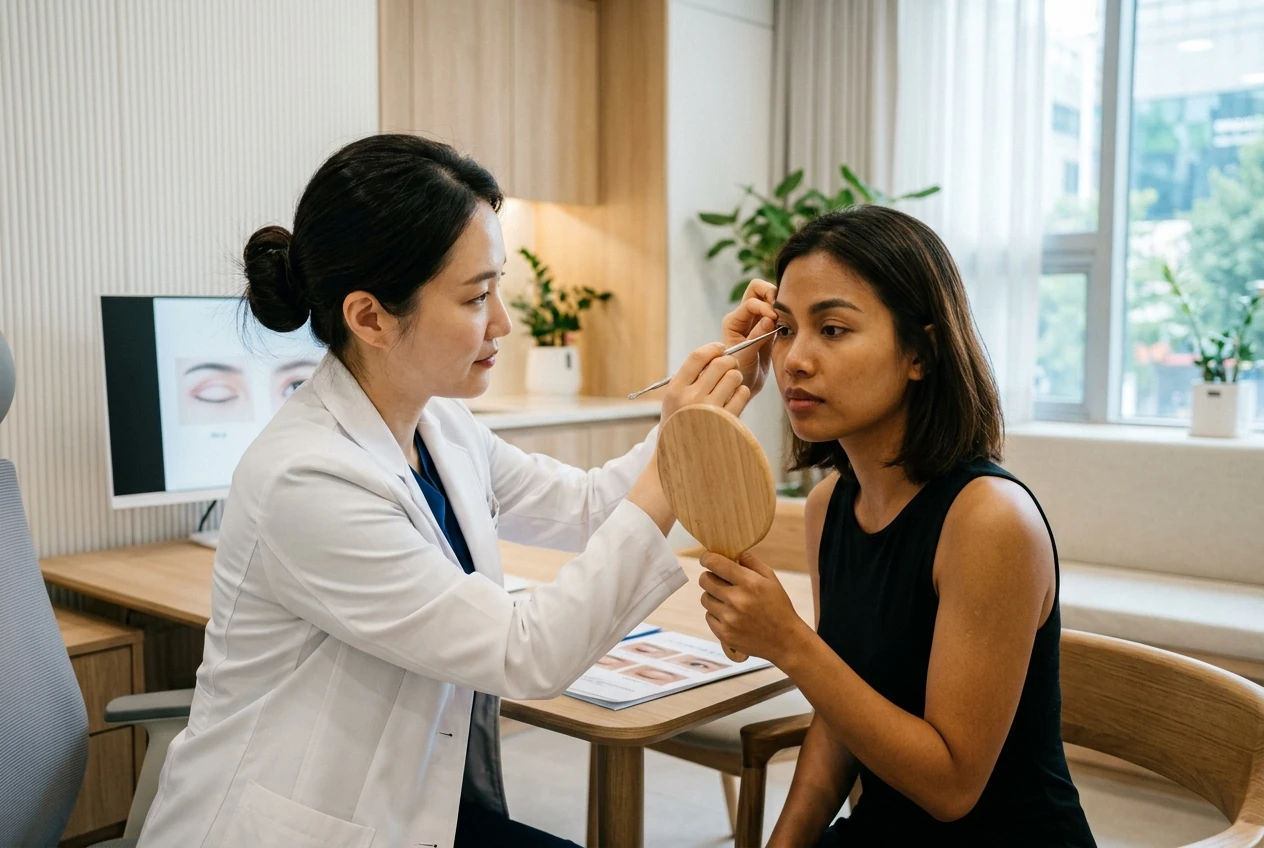
Director Ahn Sung-min runs a one-surgeon practice concentrated on eye revision surgery.
Positions itself on facelift and regenerative cell work rather than a general surgical menu.

Small Cheongdam practice built around multi-knot buried suture eyelid technique and omega lifting.
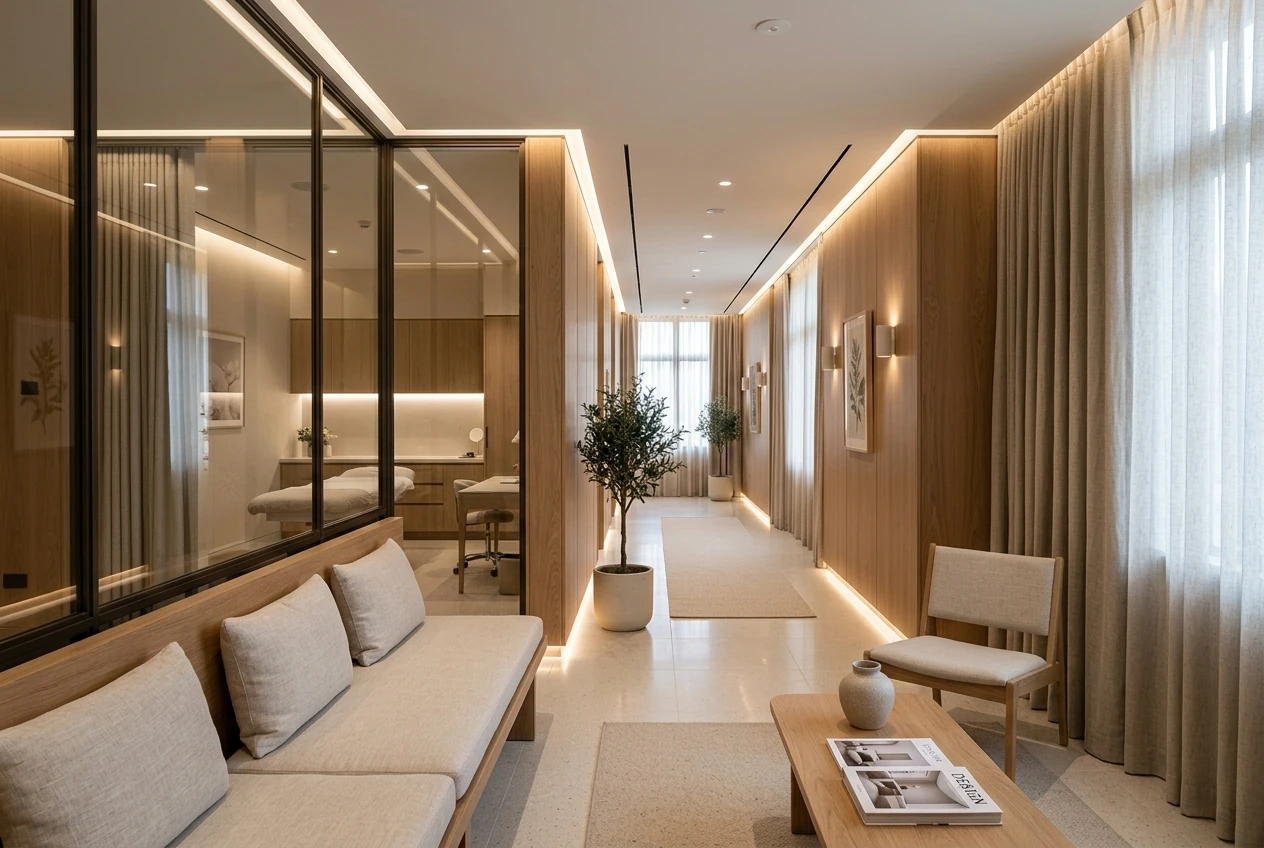
Eye, nose and lifting procedures from the third floor above Younggwang Books.

Runs eye, nose and lifting surgery across four levels of the Gukje Building.
Director Choi Dong-il states he personally handles every consultation and every operation, with 23 years of clinical practice.

Three floors focused on eye surgery, implant-free rhinoplasty and lifting.
Covers facial contouring, jaw and cheekbone reduction alongside eye and nose surgery.
Covers nose and eye surgery across three floors, with separate menus for implant-free rhinoplasty and functional nose work.

Eye and nose surgery with facial lifting, directly outside Apgujeong Rodeo Station Exit 3.
Covers nose, eye, contouring, breast and body from a single floor, with Friday consultations running to 21:00.
One of the broader Seomyeon practices, covering nose, eye, lifting and body contouring.
Rhinoplasty and nose revision are the core, with 3D CT diagnostic imaging used at consultation.
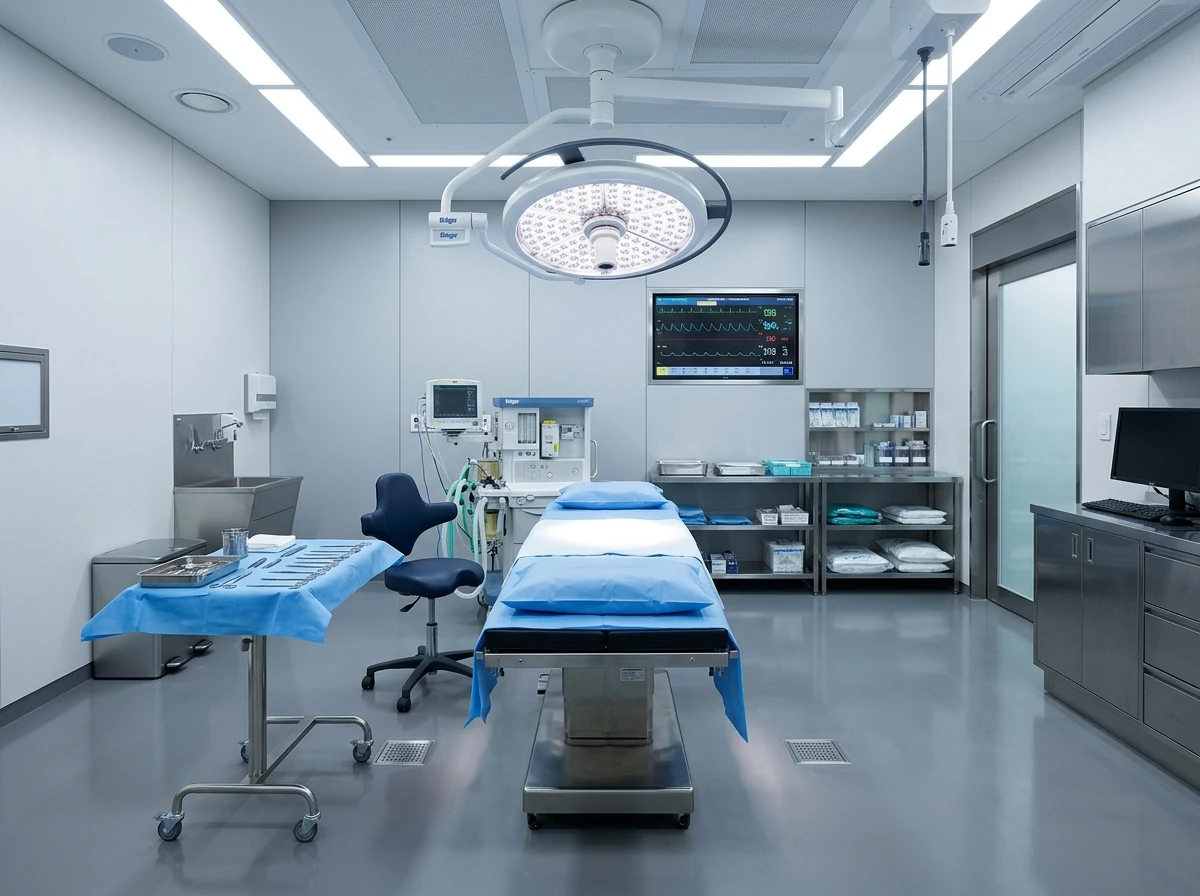
A single-suite practice covering eye, nose, breast and lifting without a large surgical floor.
Wide surgical menu covering eyelid, nose, contouring, lifting and body work.
Ground-floor clinic combining eye surgery, lifting and skin treatment, with weekday hours to 20:00.
Eye surgery and facial lifting across three floors, including mid-life eye procedures.
Narrow menu built around eyelid surgery, with a stated focus on repairing and reversing previous canthoplasty work.
Surgical practice using 3D CT imaging for functional nose assessment.
Built around lower eyelid work: fat repositioning, dark circle correction and mid-life eye surgery.
The largest practice in this Busan set, spanning eight floors of the Ace Medical Tower.
Year-round opening with weekday hours to 21:00, which is the practical draw for patients who cannot take time off.
Double eyelid surgery creates a crease in the upper eyelid. Three approaches dominate the Korean market: the non-incisional suture method, which places buried sutures through small punctures and offers the fastest recovery; the partial incision, a middle option; and the full incision, which removes excess skin and fat and produces the most durable result. A large share of Korean cases also include ptosis correction, tightening the muscle that lifts the eyelid, because a crease alone does not fix a heavy or sleepy-looking eye.
This is the procedure Korean aesthetic surgery is built on, and the volume produces two advantages. First, surgeons here routinely diagnose whether a crease alone will achieve what the patient actually wants, or whether ptosis correction and epicanthoplasty are the real answer. Second, price competition on the primary procedure is intense, which puts a well-executed non-incisional case within reach at a fraction of what equivalent surgery costs in most markets.
Quotes vary by method and by whether ptosis correction or epicanthoplasty is bundled in. Be careful with advertised packages: an eye surgery promotion at 800,000 KRW almost always refers to a basic non-incisional case with no ptosis work, and the consultation will frequently recommend upgrades. Ask for the all-in figure in writing.
| Method | Typical range (KRW) | USD estimate |
|---|---|---|
| Non-incisional (buried suture) | 1.0M - 2.0M | $750 - $1,500 |
| Partial incision | 1.5M - 2.5M | $1,100 - $1,900 |
| Full incision | 2.0M - 3.5M | $1,500 - $2,600 |
| With ptosis correction | 2.5M - 4.5M | $1,900 - $3,400 |
| Epicanthoplasty (add-on) | 0.8M - 1.5M | $600 - $1,100 |
| Revision eyelid surgery | 3.0M - 6.0M | $2,200 - $4,500 |
Prices are indicative ranges collected from public clinic pricing and consultation quotes. Updated February 2026. USD conversion at 1,340 KRW/USD.
Compare this against every other procedure on the cost comparison hub, or browse the full clinic directory.

Apgujeong holds the clinics with the strongest reputations for revision eye work, which is worth knowing because eyelid revision is technically demanding and unforgiving. Gangnam Station has the widest range of price points for primary cases. If you are considering combining eye surgery with epicanthoplasty or ptosis correction, prioritize clinics that perform eye surgery as their primary specialty rather than general practices offering it alongside body work.
Recovery is highly visible for the first week, which is the practical constraint most patients underestimate.
Plan 7 to 10 days in country for incisional methods so stitch removal happens at the clinic. Non-incisional cases can compress to five days. Bring sunglasses and expect to look visibly operated on for the full trip. If your travel window is tight, non-incisional is the pragmatic choice, but understand that it is less durable on thick eyelids and revision rates are higher.
It depends on eyelid thickness and skin laxity, not on preference alone. Thin lids with minimal excess skin do well with non-incisional sutures. Thick lids, significant fat, or loose skin need an incisional approach to hold a crease long term.
Five to seven days for non-incisional, seven to ten for incisional. You will still be visibly swollen at that point. Full social recovery is closer to three weeks.
Only if the muscle lifting your eyelid is weak, which the surgeon assesses by measuring how far your lid margin moves. If it is weak and you skip the correction, a new crease can make the eye look more tired rather than less.
Non-incisional sutures can be removed relatively early with a reasonable chance of returning to baseline. Incisional creases are permanent and can only be modified, not undone.
Technique selection by eyelid anatomy rather than by patient preference.
Lam SM. Asian blepharoplasty. Facial Plastic Surgery Clinics of North America 22(3), 2014
This guide is editorial information, not medical advice. Cosmetic surgery carries risks and outcomes vary by individual. Always consult a licensed specialist and review the clinic's credentials before booking. We do not perform procedures and are not affiliated with the clinics listed unless explicitly marked.